-
전라남도
무형유산, 1987
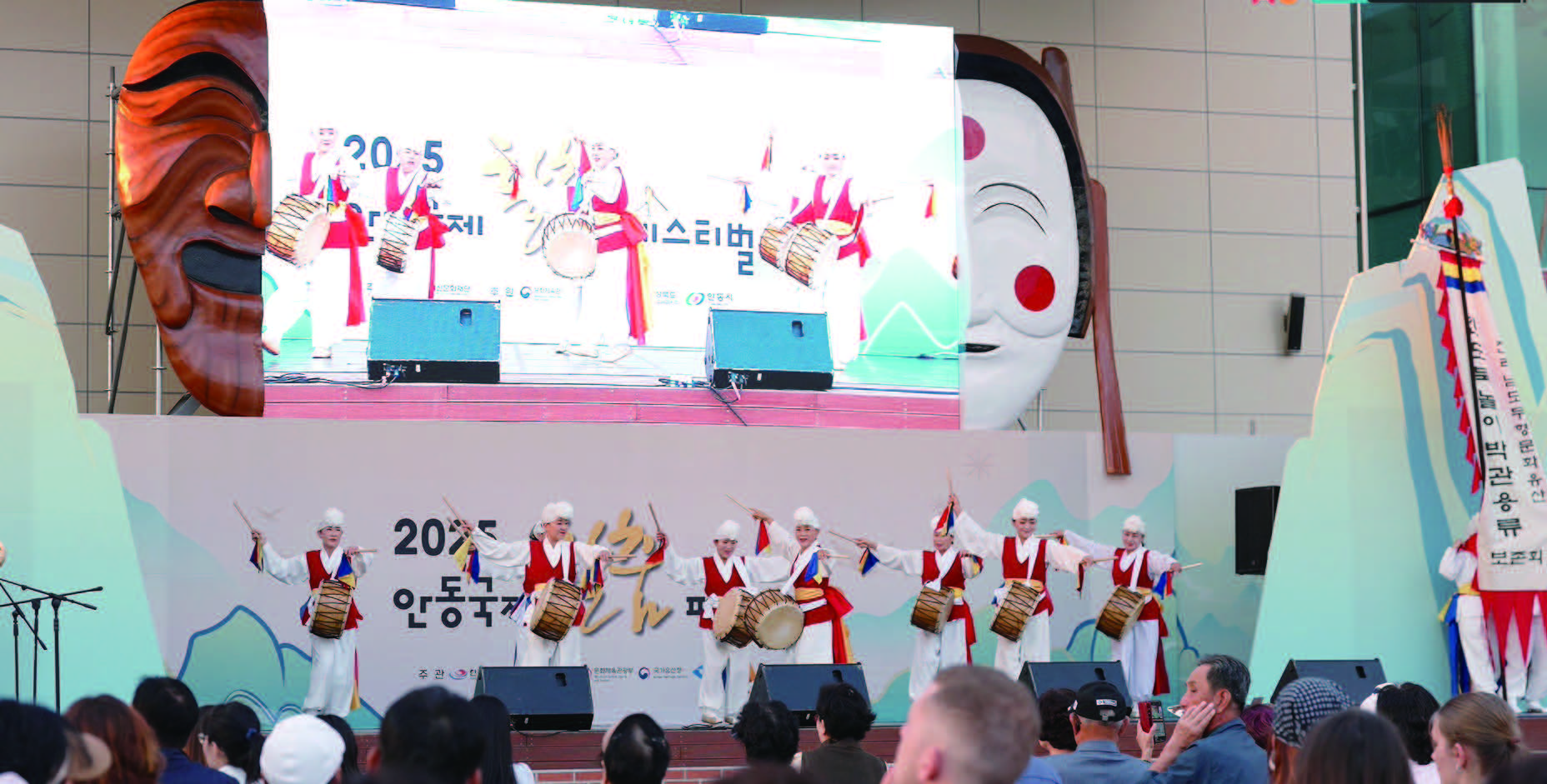
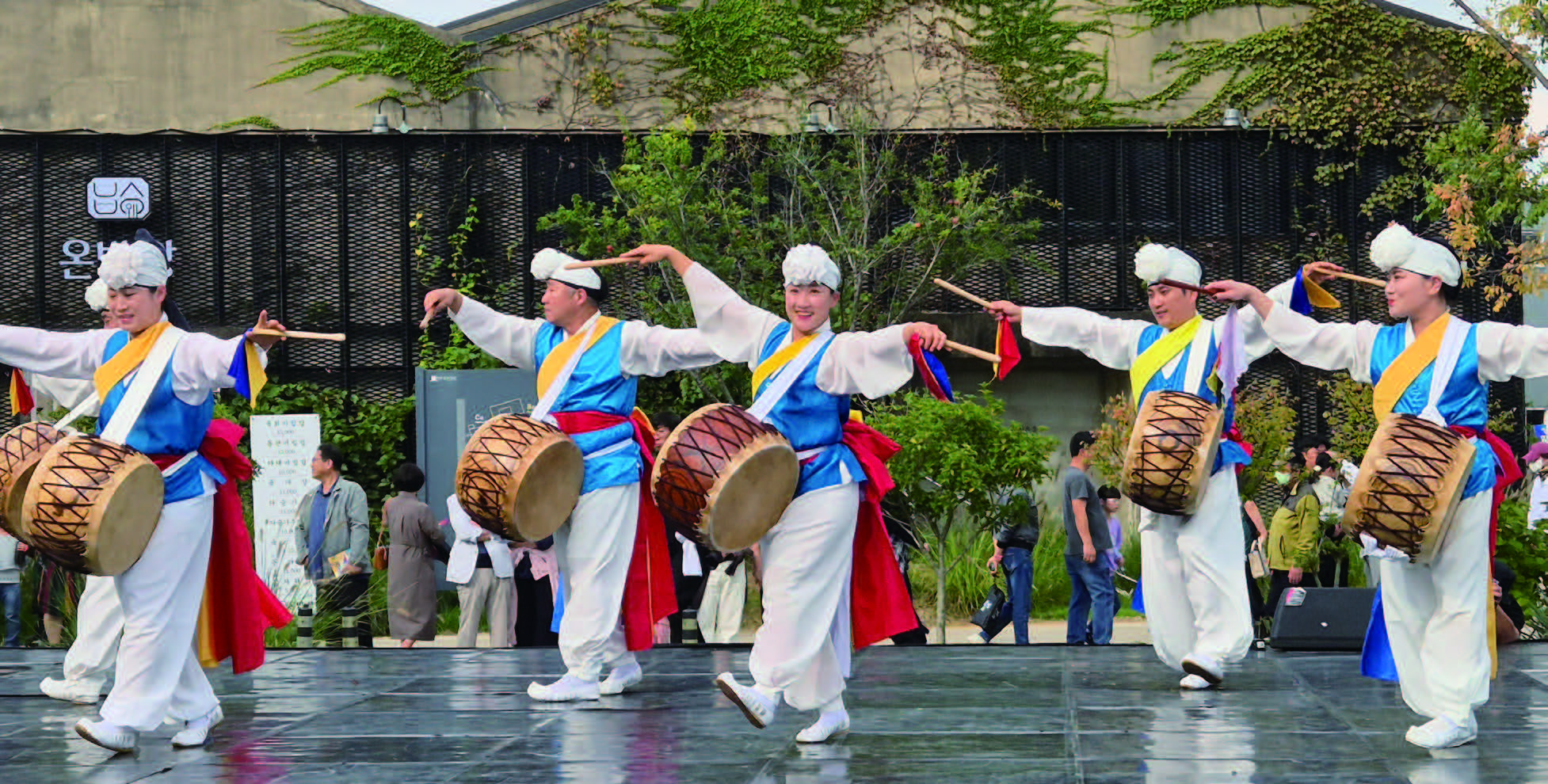
진도북놀이는
풍물놀이에서 유래된 북 중심의 전통놀이로, 힘찬
북소리와 춤사위가 어우러진 역동적인 전통
예술입니다.
진도에서는
특히 양손에 북채를 들고 연주하는 ‘양북치기’ 형식이 전승되고 있으며,
이는
전라도 지역 중 진도에서만
볼 수 있는 독특한 형태입니다. 다채로운
장단과 고난도의 연주기법, 활달한
춤 동작이 어우러져 진도만의 북놀이로 자리 잡고 있습니다.
- Jindo
Buk-nori (Jindo Drum Performance)
-
Intangible Cultural Heritage of Jeollanam-do, 1987
Originating
from pungmul (traditional percussion ensemble), Jindo Bungnori is a dynamic performance
centered on drumming and dance.
Unique
to Jindo Bungnori is the “double-drumstick” style, where performers use two
sticks, a feature not
found elsewhere in Jeolla province. With
its intense rhythms, skilled techniques, and expressive movements, Jindo
Buknori is a dynamic showcase
of Jindo’s traditional rhythm and artistic energy.