-
유네스코
인류무형문화유산, 2014
-
전라남도
무형유산, 2006
진도소포걸군농악은
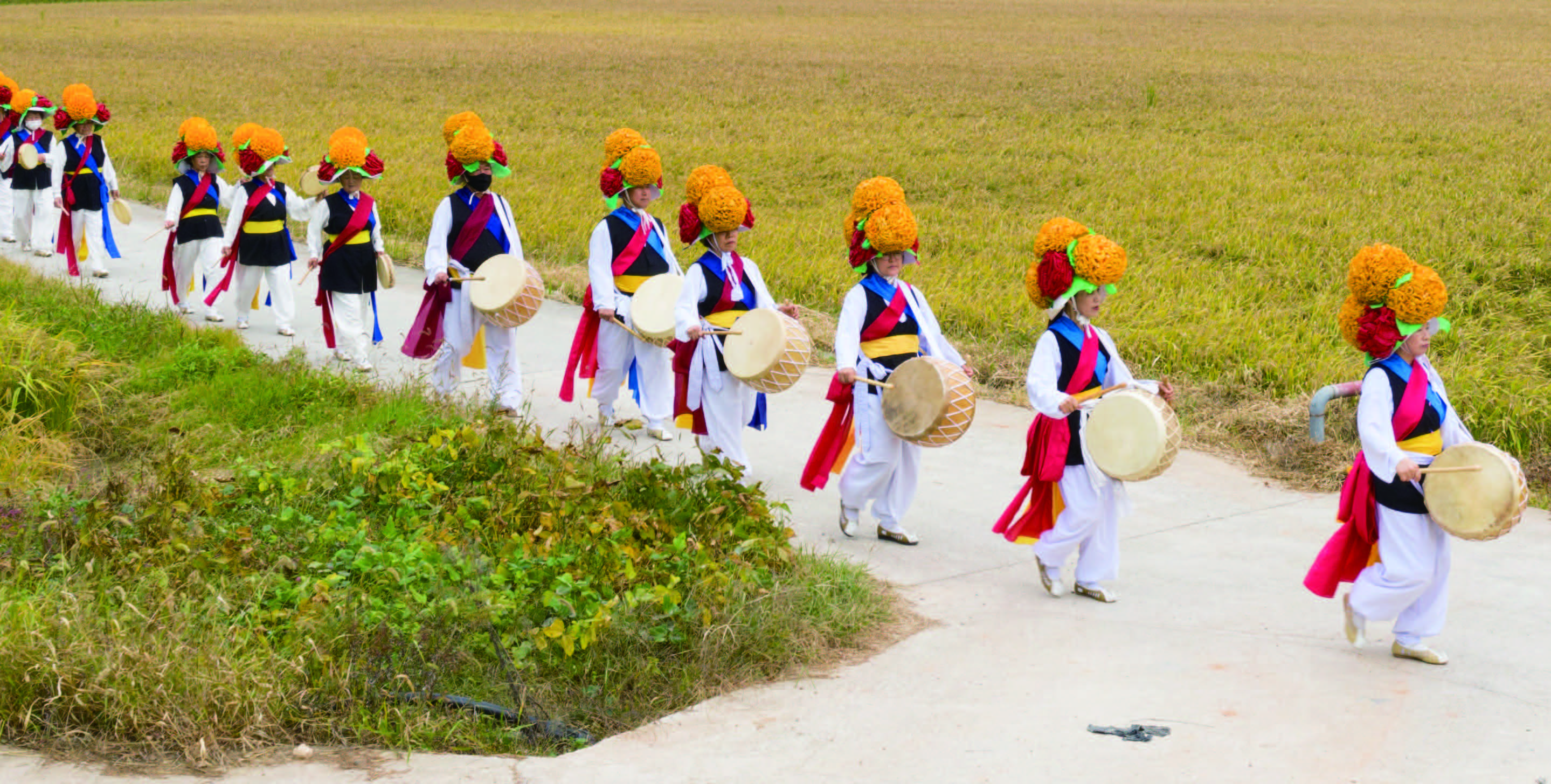
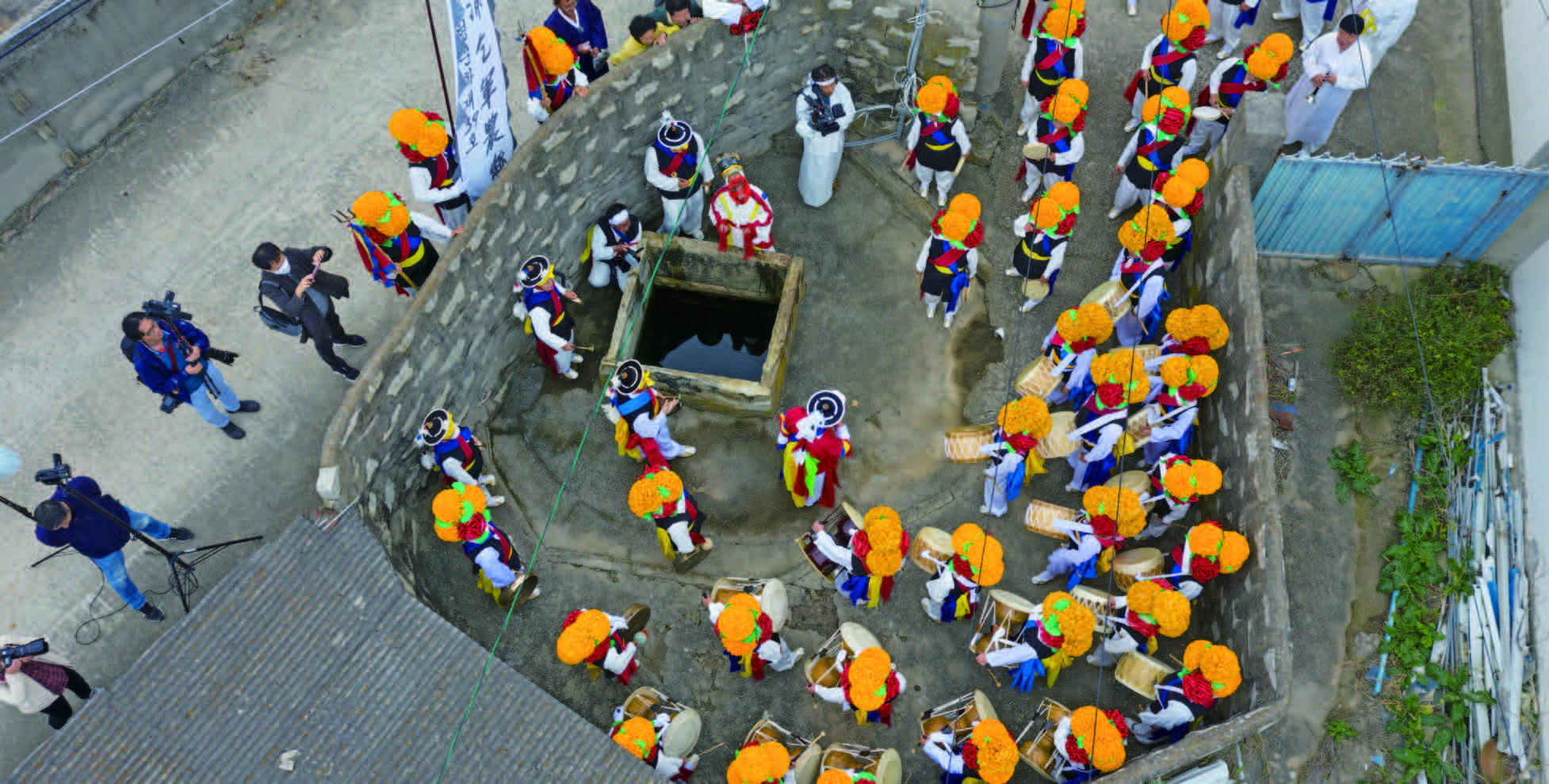
전라남도 진도군 지산면 소포리에서 전승되어 온 진도 지역의 대표적인 농악으로,
40여
년의 전통을 지닌 진도 고유의 연희입니다.
그
기원은 임진왜란 시기로 거슬러 올라가며, 일반적인
농악과 달리 군악적 성격이 강한 걸군악을 중심으로
한 독특한 구조를 갖고 있습니다. 다른
지역 농악이 축제나 연희 중심의 형태로 발전한 데 비해, 소포걸군농악은
적을 색출하고 마을을 방어하는
전통적 진법(陣法)을
음악과 동작으로 구현한 것이 가장 큰 특징입니다.
이
소포걸군농악은 대한민국이 2014년
유네스코 인류무형문화유산으로 등재한 농악의 지역적 전승 형태 중
하나로, 한국
농악 문화의 다양성과 역사적 깊이를 보여줍니다.
-
Jindo
Sopogeolgun Nongak (Sopo Farmer’s Music in Jindo)
-
UNESCO Intangible Cultural Heritage of Humanity, 2014
-
Intangible Cultural Heritage of Jeollanam-do, 2006
Jindo
Sopo-Geolgun Nongak is a representative form of farmers’ music performed in
Sopori, Jisanmyeon of
Jindo-gun, with a history of more than 40 years.
It
originates from the period of the Imjin War (late 16th century) and is
characterized by its strong military
and martial elements, setting it apart from other regional nongak traditions
that focus primarily
on festive performances.
While
many forms of nongak emphasize entertainment and communal celebration,
Sopo-Geolgun Nongak
is centered on “geolgunak,” a formation-based musical practice used to search
for enemies and
defend the village—reflecting a unique combination of music, movement, and
traditional battle tactics. This
tradition is recognized as one of the regional variations included within
“Nongak,” which was inscribed
on the UNESCO Representative List of the Intangible Cultural Heritage of
Humanity in 2014,
showcasing the diversity and historical depth of Korea’s farmers’ music culture