-
전라남도
무형유산, 2006
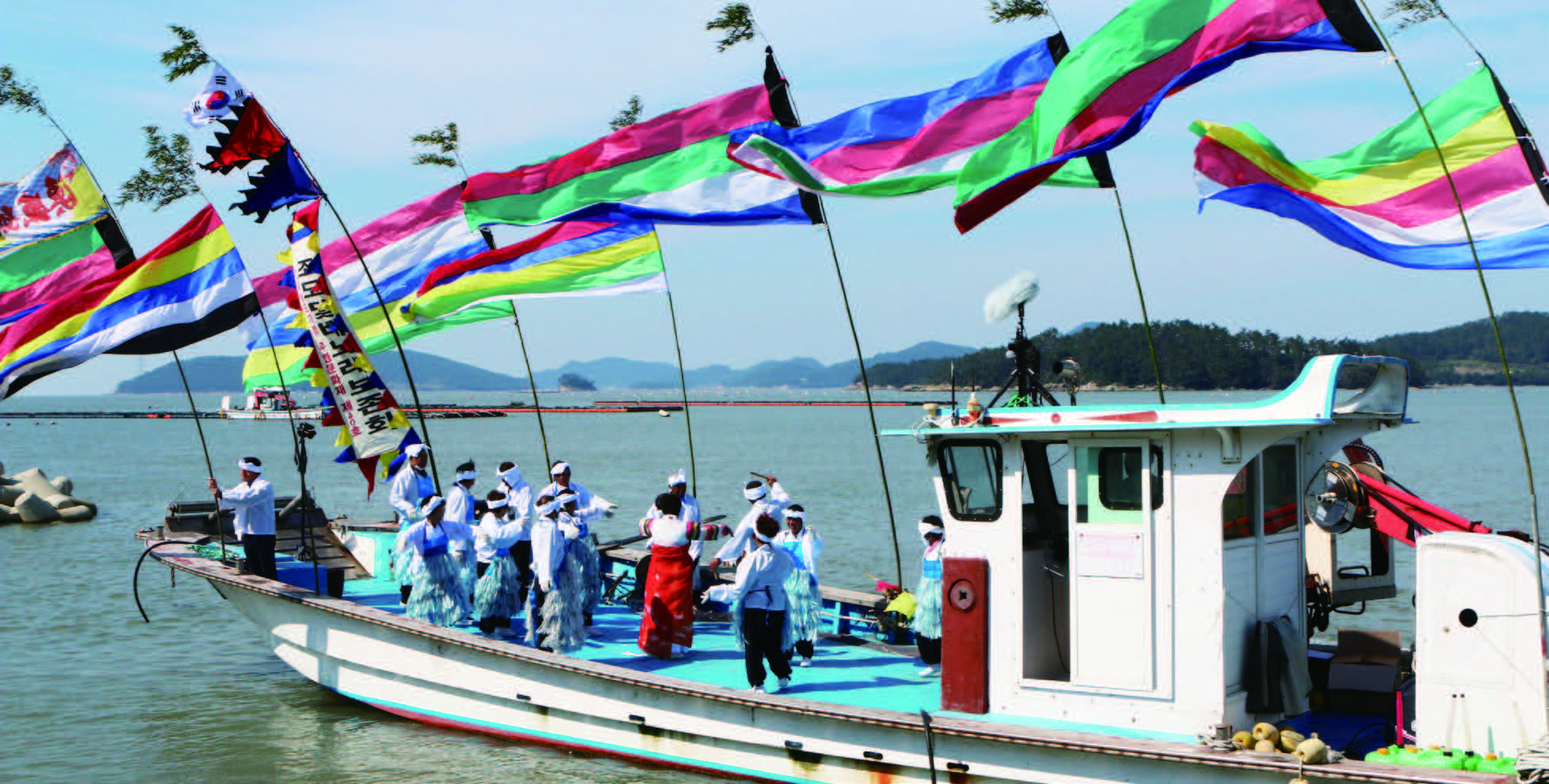
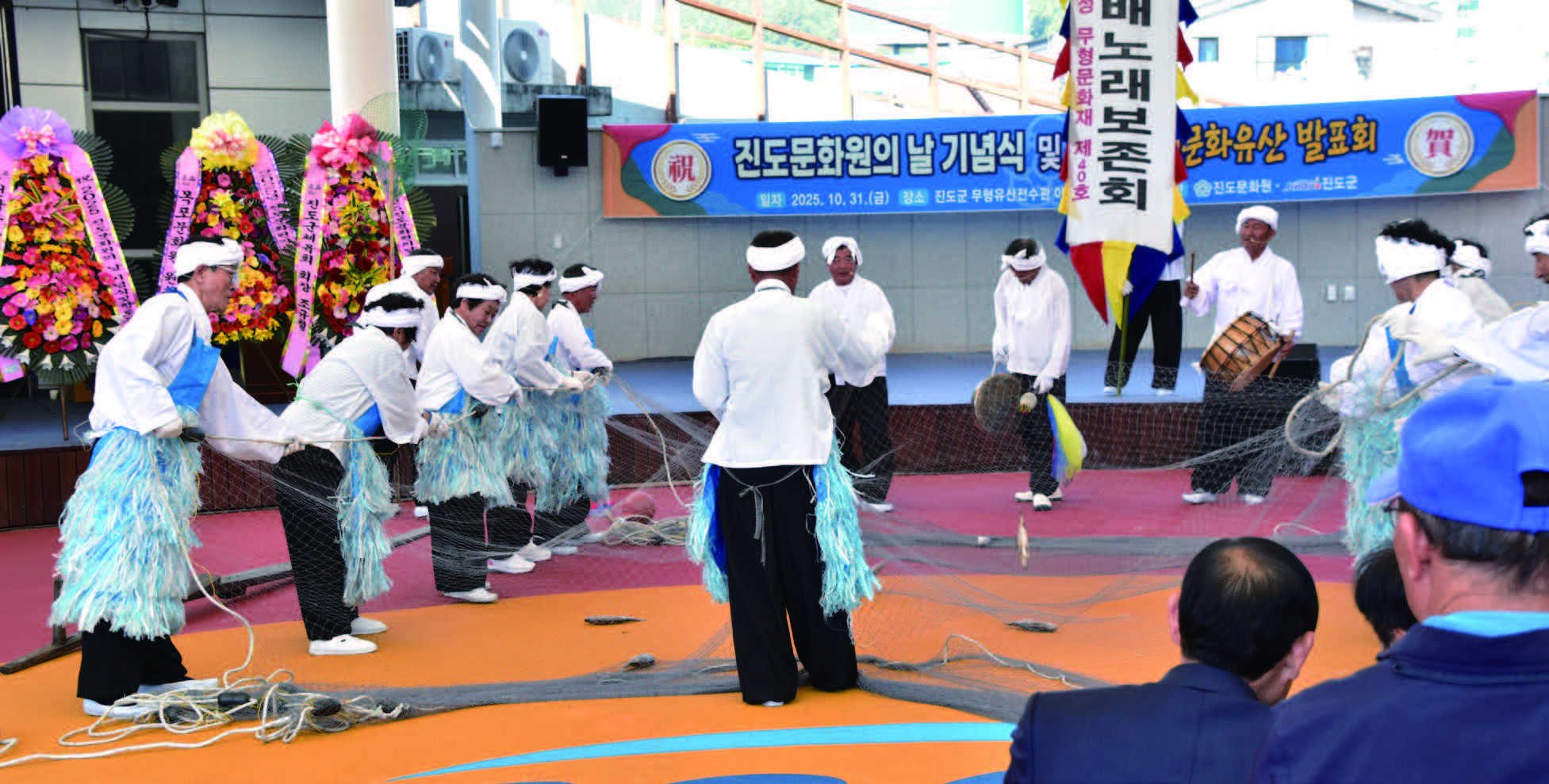
조도닻배노래는
전통 어선 ‘닻배’를 이용해 조기잡이를 하면서 전승해 온 민요입니다.
닻배노래는
어로작업의 진행 과정에 따라 다양한 노래가 불리며, 작업
속도에 따라 노래의 속도도 달라집니다. 조도닻배노래는
한국 서해안의 조기잡이 어로 기술의 다양성을 보여준다는 점에서 의의가 있습니다.
- Jodo
Datbae Norae (Jodo Datbae Song)
-
Intangible Cultural Heritage of Jeollanam-do, 2006
The
Jodo Datbae Norae is a traditional Korean folk song that has been passed down
through generations
by fishermen while catching yellow croaker using a traditional fishing boat
called a ‘datbae’.
The
song comprises various melodies performed in accordance with different stages
of the fishing process,
with its tempo adjusting to the rhythm of the labor. This
song holds cultural significance because it reflects the variety and richness
of fishing techniques used
along Korea’s west coast, especially in yellow croaker fishing.