-
국가무형유산,
1973
남도들노래는
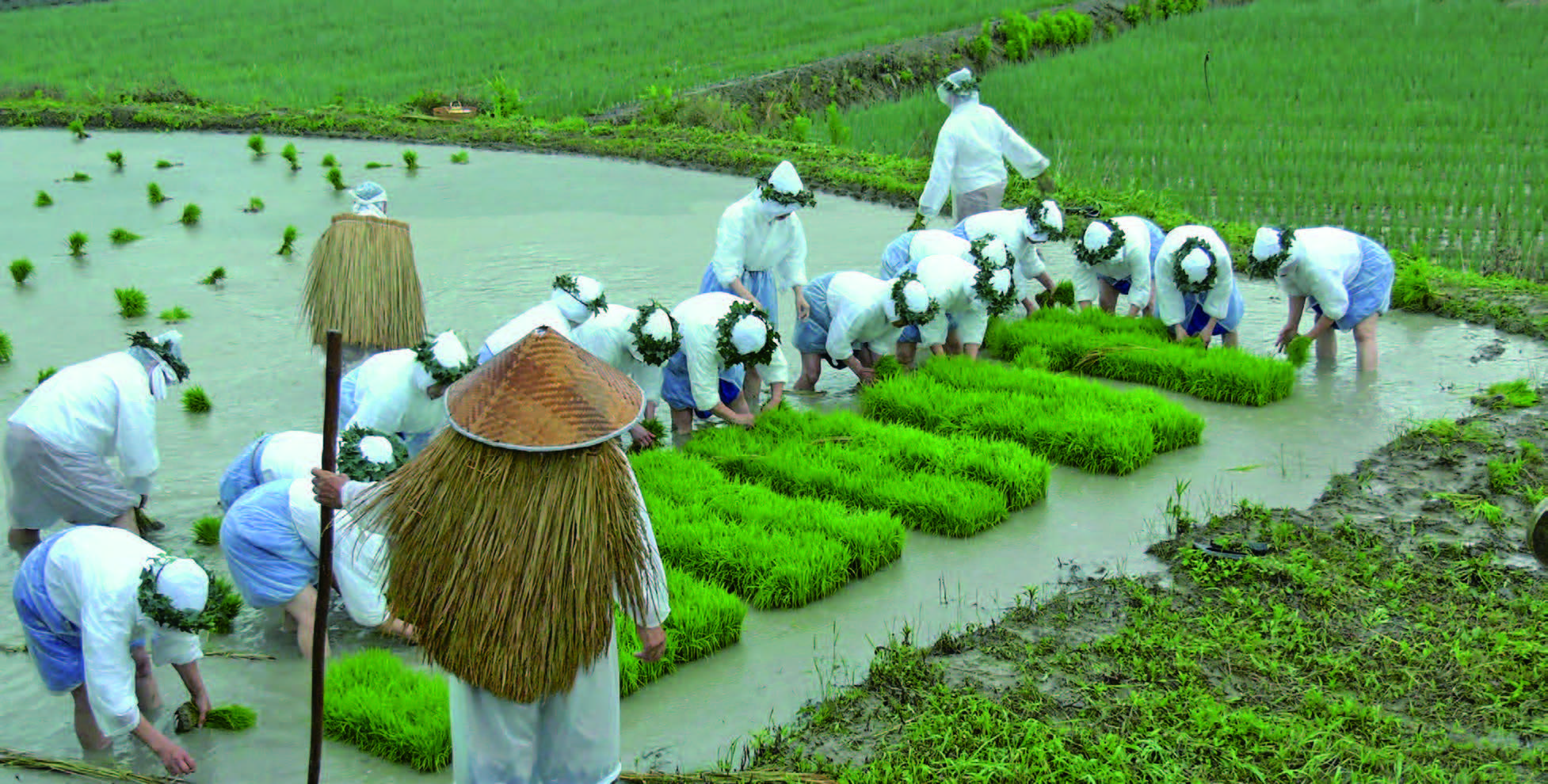
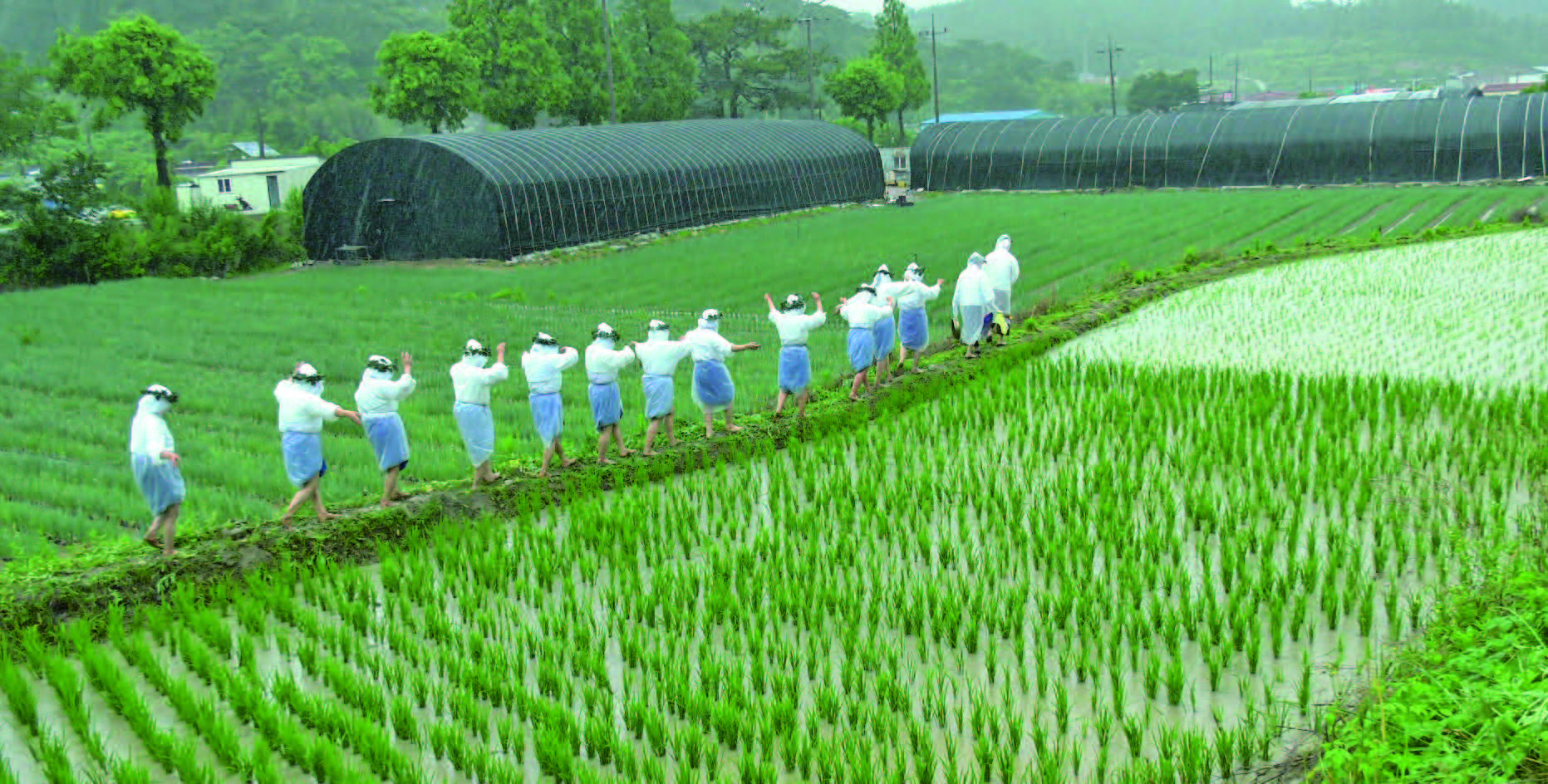
전라남도 지역에서 논밭을 일구며 부르던 노동요로, 공동체
노동 속에서 힘을 모으고 흥을 북돋우기
위한 소리입니다.
특히
진도에서는 들노래의 다양한 가락과 가창 방식이 전승되어 왔으며,
벼농사와
관련된 다양한 작업(모내기,
김매기,
벼베기
등)과
연계되어 불렸습니다. 자연과
인간, 노동과
공동체가 어우러진 이 노래는 단순한 작업요를 넘어 지역 문화와 공동체 정신을 담은 중요한
무형유산입니다.
- Namdo
Deulnorae (Field Songs of Namdo)
-
National Intangible Cultural Heritage, 1973
Namdo
Deulnorae are traditional field songs sung during agricultural work in the
southern Jeolla region
of Korea.
In
Jindo, these songs have been passed down through generations and are closely
associated with rice farming
tasks such as planting, weeding, and harvesting. Deulnorae
are more than work chants—they represent the harmony between nature and people,
and reflect
the communal spirit and cultural richness of the region.